Loading...
Serving Rancho Cucamonga, CA and surrounding areas. (909) 707-4434
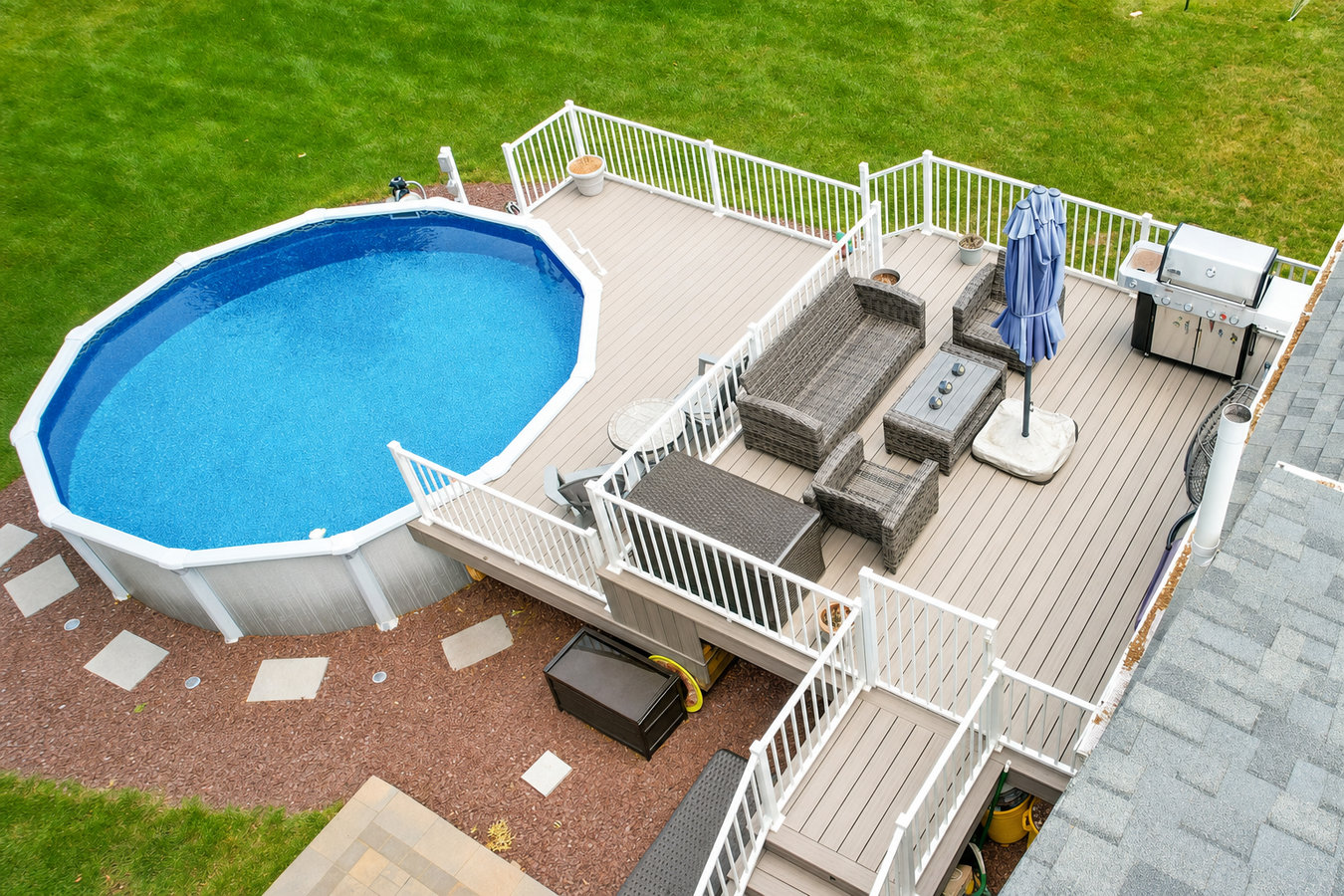
A pool deck that gets too hot to walk on barefoot or pools water after rain is not a usable backyard. We build pool surrounds with the right materials, proper slope, and slip-resistant surfaces for this climate.
Building a pool deck in Rancho Cucamonga is not the same as building one in a cooler or cloudier climate. The combination of intense UV, temperature swings between summer highs and winter nights, and the year-round outdoor living this area makes possible all affect which materials hold up and which ones fail early. A surface that looks good at installation but gets too hot to walk on barefoot by July, or cracks from thermal expansion by year three, is not a good result regardless of what it cost.
Pool deck construction covers the full project: site prep and grading for drainage, base compaction, material selection and installation, and any finishing work like coping or edge treatments. The project often connects with broader backyard work - homeowners planning a pool deck frequently also consider enclosing the yard with vinyl fence installation for added privacy, or pairing the pool area with a custom deck design and build to create a complete outdoor living setup. Planning both together from the start avoids layout conflicts and redundant base work later.
Every material has tradeoffs. In Rancho Cucamonga's climate, surface temperature and slip resistance when wet are the two performance factors that matter most. Color and finish affect surface heat more than material type - a light-colored concrete stays significantly cooler than dark slate, regardless of which one looks better in a photo.
Works well: Durable, cost-effective, wide range of colors and finishes. Broom finish or exposed aggregate provides good traction when wet.
Watch out for: Can crack over time with thermal expansion. Dark colors get very hot in direct sun. Requires sealing every few years.
Works well: Naturally porous surface stays cooler than most materials in full sun. Classic look works well with most pool styles. Individual pavers can be replaced if one cracks or stains.
Watch out for: Higher material cost. Grout joints can trap debris. Needs sealing periodically to prevent staining.
Works well: Wide color and shape variety. Individual paver replacement is straightforward. Good drainage between joints reduces pooling.
Watch out for: Joint sand can wash out over time and needs periodic replenishment. Some darker paver colors absorb significant heat in peak summer.
Works well: Splinter-free surface, well suited to pool surrounds that transition to a raised deck area. Resists moisture well with minimal maintenance.
Watch out for: Some composite products retain heat in direct sun - check surface temperature ratings before specifying for fully exposed pool surrounds.
The single biggest structural decision in pool deck design is drainage. The surface needs to slope away from the pool, the house, and any equipment - typically one to two percent - so water flows toward a drain or off the edge. Flat decks pool water after rain and from splash-out, creating slip hazards and accelerating wear. Drainage must be built in from the start - it cannot be retrofitted cheaply after installation.
A south- or west-facing pool deck in Rancho Cucamonga can reach surface temperatures well above 120 degrees in July and August. Dark-colored surfaces drive most of that heat load - lighter colors and naturally porous materials like travertine stay meaningfully cooler. If the deck will sit in full afternoon sun, surface temperature needs to be part of the material conversation before anything is ordered.
Smooth, polished, or sealed surfaces become dangerous near water. Any material chosen for a pool deck needs to provide traction when wet. Broom-finished concrete, exposed aggregate, textured pavers, and travertine all perform well in wet conditions. Avoid any smooth tile, polished stone, or heavily sealed surface in the wet zone directly around the pool.
Many Rancho Cucamonga communities require architectural approval before pool deck construction begins. The City of Rancho Cucamonga may also require a building permit depending on the scope of work. Both need to be resolved before any material is ordered or ground is broken - proceeding without approval creates compliance problems that are expensive to fix.
A pool deck that does not account for tree roots, existing irrigation lines, or drainage from surrounding planted areas creates problems within a few years. We assess site conditions before finalizing any design to avoid installing a deck that gets undermined by roots or runoff from adjacent areas.
Every material requires some maintenance. Concrete needs sealing every few years and may need crack repair over time. Travertine and concrete pavers need joint sand replenishment and periodic sealing. Composite requires cleaning but less upkeep than wood. Understanding what each material demands over the next ten years is part of making a sound choice today.
We build pool decks throughout Rancho Cucamonga and the wider Inland Empire, including Upland, Ontario, Fontana, and Claremont. Each city has its own permit requirements, and HOA coverage varies significantly between neighborhoods. We confirm both before any work is scheduled so the project does not stall after construction has started.
Rancho Cucamonga's soil conditions also factor into how pool decks are built. Some areas near the base of the San Gabriel Mountains have expansive soils that shift seasonally, which affects base preparation requirements. We assess site conditions during the estimate rather than applying a standard spec regardless of what is underneath the surface.
The City of Rancho Cucamonga Building and Safety Division oversees permits for pool deck construction in the city. Projects involving structural work, drainage modifications, or changes to concrete near the pool typically require a permit before work can begin.
We visit your property, measure the space, assess drainage and soil conditions, and walk through material options with you. HOA requirements are confirmed at this stage. You receive a written estimate covering the full scope before any commitment is made.
If permits are required, we handle the application before any work begins. HOA architectural review, if applicable, is completed before we schedule the project. Work does not start until all approvals are in hand.
Existing surfaces are removed, the base is graded for proper drainage slope, and the sub-base is compacted. This step determines how long the finished deck holds up - poor base prep is the most common reason new decks fail within a few years.
Material is installed per the agreed design. Concrete gets proper cure time before foot traffic. Paver joints are set and compacted. Any coping, edge treatments, or transitions to adjacent surfaces are completed. We do a final walkthrough with you before considering the job done.
Free on-site estimate. Written quote before any work starts. We handle permits and HOA approvals.
(909) 707-4434We do not apply a one-size-fits-all spec to every pool deck. Material selection accounts for sun exposure, HOA color requirements, and your maintenance preferences. A deck facing west in full afternoon sun needs different consideration than one shaded by an existing structure. We ask the right questions before recommending anything.
Proper slope and drainage routing is built into every project plan, not figured out after concrete is poured. A flat or improperly graded pool deck creates standing water, slip hazards, and accelerated surface wear. We grade every deck to drain correctly on the first install.
We confirm all permit requirements with the City of Rancho Cucamonga and verify HOA approval requirements at the estimate stage. Work does not start until everything is cleared. Projects that proceed without permits create problems at resale - we will not put you in that position.
We do not install smooth or polished surfaces near water. Every pool deck we build uses a finish that provides adequate traction when wet - broom-finished concrete, exposed aggregate, textured paver, or travertine. This is not an upgrade. It is how a pool deck should be built.
Protect your new pool deck or existing wood surfaces with UV-resistant stain and sealer - critical in the Inland Empire's intense sun.
Learn MoreFix structural issues, replace damaged boards, or rebuild sections of an existing pool surround before a full replacement becomes necessary.
Learn MoreAdd shade over your new pool deck with a custom pergola - plan both projects together so structure placement works with the deck layout from the start.
Learn MoreSchedule a free on-site estimate and get a written quote covering materials, drainage, permits, and full scope - before any commitment is made.