
Loading...
Serving Rancho Cucamonga, CA and surrounding areas. (909) 707-4434
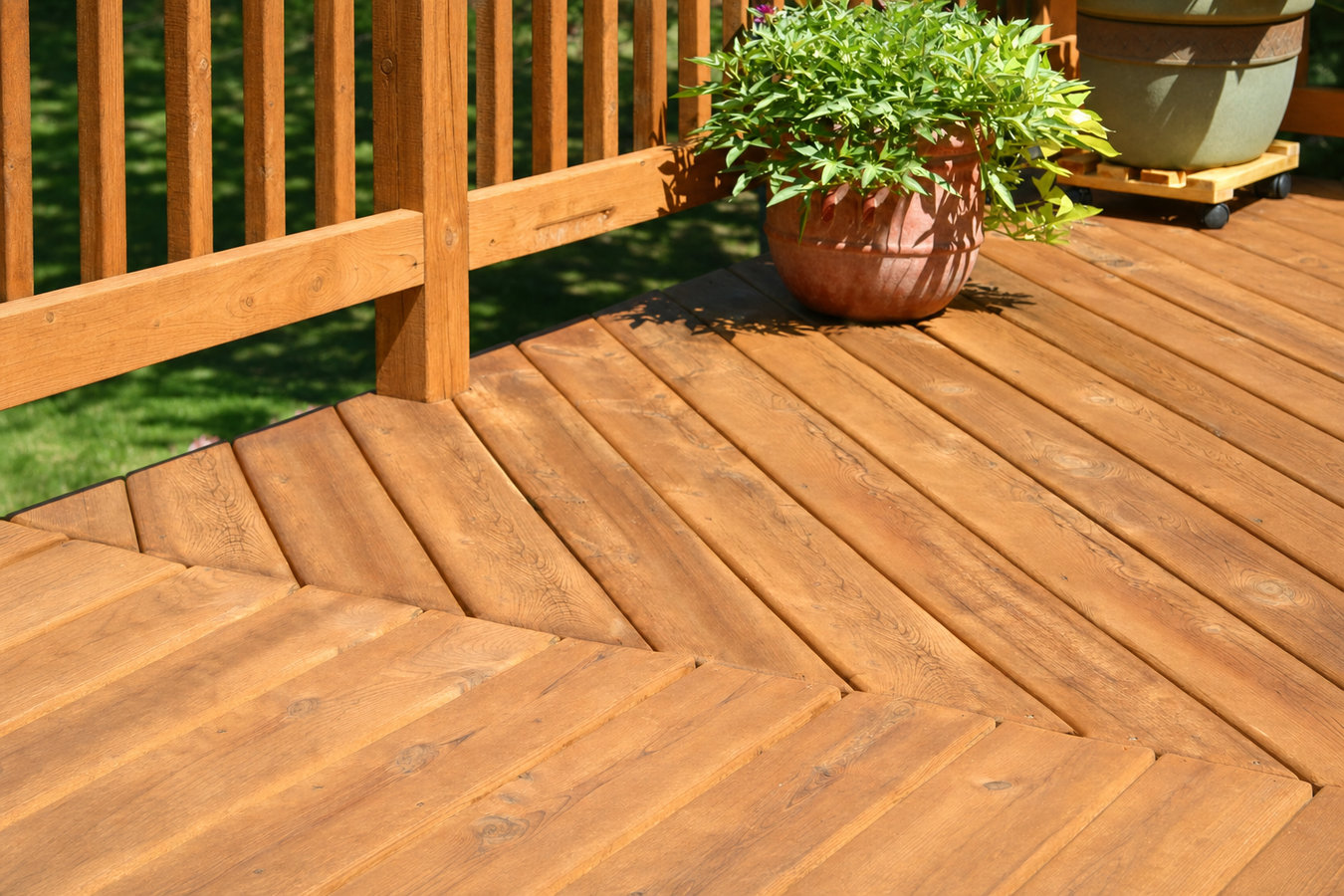
Rancho Cucamonga gets over 280 sunny days a year, and that sun eats unprotected wood fast. The right stain, the right prep, and the right timing keep your deck looking good and holding together season after season.
Deck staining and sealing in Rancho Cucamonga means cleaning the wood, letting it dry fully, and applying a UV-resistant product before sun and moisture do their damage. Most jobs cover a standard deck in two days - one for prep, one for application - and the deck is ready for furniture within 48 hours. In this climate, most wood decks need deck sealing or a fresh stain coat every one to two years to stay protected and look their best.
The Inland Empire sun breaks down stain faster than most product labels suggest, so the water bead test matters more than the calendar here: pour a small cup of water on the surface and watch what happens. If it beads up, you have protection. If it soaks in, it is time to treat. Decks with cracking or splintered boards may need some deck repair before staining so the new finish has a solid surface to bond to.
Pour a small cup of water on your deck boards. If it soaks in within a minute or two rather than beading up on the surface, the protective sealer has worn away. Your deck is now absorbing moisture with every rain or morning dew, which speeds up cracking, warping, and eventual rot.
In Rancho Cucamonga's intense sun, unprotected wood grays out faster than in cooler climates. If your deck has shifted from its original warm tone to a dull silver-gray, that is UV damage - the sun has broken down the surface layer. A thorough cleaning and fresh stain can restore most of the color if you act before the wood starts cracking.
Run your hand along the deck boards. If the surface feels rough, splintery, or you can see small cracks forming along the grain, the wood is drying out and breaking down. In the Inland Empire's low-humidity climate, this happens faster than homeowners expect - especially on south- or west-facing decks that get full afternoon sun.
If the old stain is lifting, bubbling, or flaking off in patches, the previous application has failed - usually because prep work was skipped or a film-forming product could not handle the local temperature swings. A new coat will not stick well over peeling stain, so the old material needs to come off before anything new goes on.
Every job starts with a proper assessment of the deck material and condition. Pressure-treated wood, cedar, and older pine all respond differently to staining products, and using the same product on every deck regardless of material produces inconsistent results. We check the existing surface, note any boards that need attention before staining begins, and confirm your HOA color requirements if applicable. If a larger project like pool deck construction or deck repair and replacement makes more sense first, we will say so before any stain is ordered.
Prep is where most stain jobs succeed or fail. We pressure-wash with a wood-safe cleaning solution, allow the deck to dry fully - critical in this climate, where moisture trapped under stain causes early peeling - and do any light sanding needed on rough or splintered boards. Application is scheduled for early morning to avoid the intense afternoon heat that causes stain to flash-dry and leave lap marks. The U.S. Forest Service Forest Products Laboratory notes that proper surface preparation is the single biggest factor in how long a wood finish lasts - we take that seriously on every job.
The right choice for decks in good condition where you want the natural wood grain to show - needs reapplication every one to two years in this climate.
Covers the wood fully and lasts longer, but is difficult to reverse once applied - best for older decks where the wood grain is no longer worth showing.
Adds water resistance without changing the color of the wood - suited for newer decks or homeowners who want a natural look with basic UV and moisture protection.
Cleaning, sanding, and replacing damaged boards before a new finish coat - for decks that need more than routine treatment before stain can go on.
Rancho Cucamonga averages over 280 sunny days per year, and the Inland Empire sun is significantly more intense than what coastal Southern California gets. That UV load breaks down stain faster than most product labels suggest - those timelines are based on national averages, not conditions at the foot of the San Gabriel Mountains. Homeowners here often need to treat their decks every one to two years for semi-transparent finishes, rather than the two to three years that might be reasonable in a cooler, cloudier climate. The Santa Ana wind season adds another local wrinkle: scheduling staining outside of October through February avoids the hot, dry gusts that carry fine dust into fresh stain and disrupt curing.
HOA restrictions are also part of the picture for many homeowners in this city. Communities throughout Rancho Cucamonga and nearby cities like Upland and Ontario often have governing documents that specify approved colors or finishes for outdoor structures. Choosing the wrong stain color without checking first can mean a formal complaint and an expensive redo. We confirm your HOA requirements before any product is ordered, so there are no surprises after the job is done.
Reach out by phone or through our contact form and we will respond within one business day. We will ask a few basic questions - deck size, material, last treatment date, and HOA requirements - before scheduling an on-site estimate.
We visit your deck in person, check the wood condition and note any boards that need attention, and walk you through color options. You get a written estimate covering the full scope before any commitment is made - no guesswork on cost.
We pressure-wash with a wood-safe cleaner, do any light repairs, and let the deck dry fully - typically 24 to 48 hours in this climate. Skipping this step is the most common reason a stain job fails within a season.
Staining is scheduled for early morning to avoid the afternoon heat that causes lap marks and uneven drying. After the final coat, we walk the deck with you and show you how to monitor the surface between treatments.
Free on-site estimate. Written quote before any work starts. No surprises on the invoice.
(909) 707-4434We recommend stains rated for high-UV environments - not the same all-climate product that works in Oregon or Michigan. The Inland Empire sun demands a product that can handle 280-plus sunny days a year. That specificity is what separates a job that lasts from one that fades within a single season.
Stain applied in afternoon heat above 90 degrees flash-dries on the surface before it bonds to the wood, leaving lap marks and uneven color. We schedule application for early morning and avoid the Santa Ana wind season when airborne dust settles into fresh stain. Timing is one of the most overlooked parts of this job.
We verify your HOA color requirements before ordering any product. Rancho Cucamonga has a high concentration of HOA communities, and choosing the wrong color can mean a formal complaint and a costly redo. You get written confirmation of the approved color before the first brush stroke goes on your deck.
We give you a written estimate after seeing your deck in person - not a phone quote that grows once the crew shows up. If the deck needs additional prep or board repairs before staining, that is included in the estimate upfront. What you approve is what you pay.
A stain job that looks great for one season is not a good value - it is just a delayed version of the same problem. Every job we do is built around prep, product selection, and timing, because those three things are what determine whether a stain lasts one year or four.
Build a new pool surround with proper drainage, slip-resistant texture, and materials that hold up to Rancho Cucamonga's year-round outdoor living demands.
Learn MoreFix structural damage, replace rotted boards, or rebuild entirely - the right first step when staining alone cannot address the underlying condition of your deck.
Learn MoreSpring is the best window for deck staining in Rancho Cucamonga - schedule now and your deck will be sealed and ready before temperatures climb past 90 degrees.